
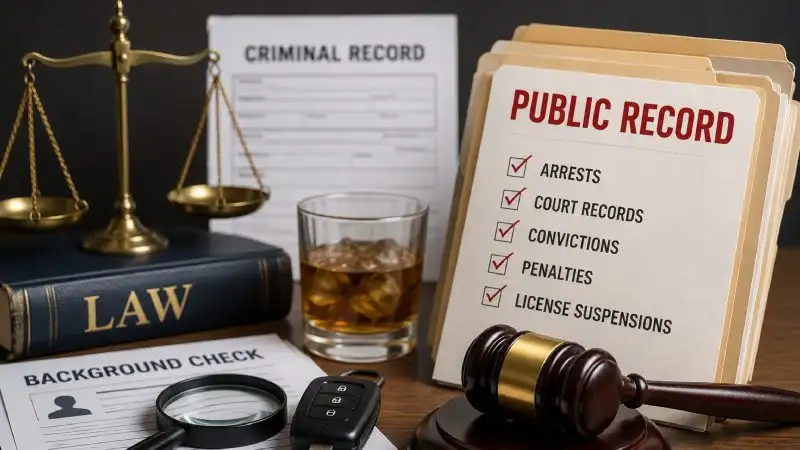
Driving under the influence (DUI) has consequences that extend well beyond fines, license suspensions, and court appearances. Many people worry about whether employers, landlords, neighbors, or even strangers can discover a past DUI through public records searches. The short answer is that DUI records are often public records. However, the level of access depends on state laws, the status of the case, and where someone is searching. Understanding what information is public and what options exist to limit visibility can help you better manage your privacy.
Are DUIs Public Record in Most States?
In most states, DUI-related information becomes part of the public record at some point during the legal process. That’s because a DUI arrest generates multiple records, including police reports, court filings, charges, and convictions. Once a case enters the court system, many of these documents become accessible through public records laws. The exact records available vary by jurisdiction, but court case information is often searchable through local or state databases.
Why Are DUIs Public Record?
State laws categorize driving offenses as criminal matters rather than simple mechanical violations. Because they are criminal acts, the documentation belongs to the public domain. County courts record the trial details, and local police departments archive the arrest sheets. This transparency allows anyone to view the final disposition of your case. Government entities handle data collection through automated tools. They do not hide records to save your reputation. They publish calendars and ruling indexes online. Commercial software programs download these documents directly from court portals. They process thousands of filings every single hour. Your open history allows outside parties to investigate your past decisions. Landlords run checks before approving rental agreements. Insurance corporations download court files to adjust their monthly premiums. The state prints these files openly, so companies grab them without restriction.
How DUI Records Affect Your Everyday Life
A DUI record can affect far more than your driving privileges. These records are often accessible through court databases and background checks, so they can influence major decisions made by employers, landlords, licensing boards, and insurance providers.
Employment Background Checks
Many employers review criminal history as part of the hiring process. A DUI conviction may raise concerns for positions involving company vehicles, transportation, public safety, or professional responsibility. In some cases, it can limit job opportunities or require additional explanation during the hiring process.
Professional Licensing
Licensing boards for professions such as nursing, teaching, law, and real estate often review criminal records when evaluating applicants. A DUI does not automatically prevent licensure, but it may trigger additional scrutiny, documentation requirements, or delays in the approval process.
Housing Application Rejections
Some landlords and property management companies conduct background checks before approving tenants. While a DUI alone may not result in a denial, recent convictions can sometimes influence rental decisions, particularly when combined with other factors in an applicant’s history.
Auto Insurance Price Increases
Insurance companies routinely assess driving-related offenses when calculating premiums. A DUI conviction often leads to higher insurance costs and may affect eligibility for certain policies. In some cases, drivers may need to seek coverage through higher-risk insurance providers. Impacts of a DUI vary, but these consequences explain why many worry about record accessibility and longevity.
Can DUI Records Be Removed or Hidden?
Yes, DUI records can sometimes be removed or hidden, but it depends heavily on your state’s laws, the type of offense (misdemeanor vs. felony), and whether it was a conviction or just an arrest. There’s no universal rule across the U.S.You have the option to expunge or seal your records depending on your domicile. Expungement legally erases the conviction as if it never happened (in many states), while sealing hides the record from public view but doesn’t destroy it.
How to Check Whether Your DUI Record Is Public
If you are unsure what information is visible, start by reviewing local court records and public databases. You can also consider reviewing what information appears publicly through any public records search site. They can help identify where DUI-related information may be appearing online and provide a clearer picture of your digital footprint. After conducting your search, make a list of websites displaying your information so you can determine whether removal or correction options are available.
Understanding the Question of Are DUIs Public Record and Your Privacy Options
DUIs are usually public records, but the extent of public access depends on state laws, court policies, and the status of the case. Court records, background checks, and public databases may all contain DUI-related information. While some records may remain public indefinitely, options such as expungement, record sealing, correction requests, and third-party removals can sometimes reduce their visibility. Understanding what information is available and monitoring where it appears online are often the most effective first steps toward protecting your privacy.
For more information, visit our site daily.