
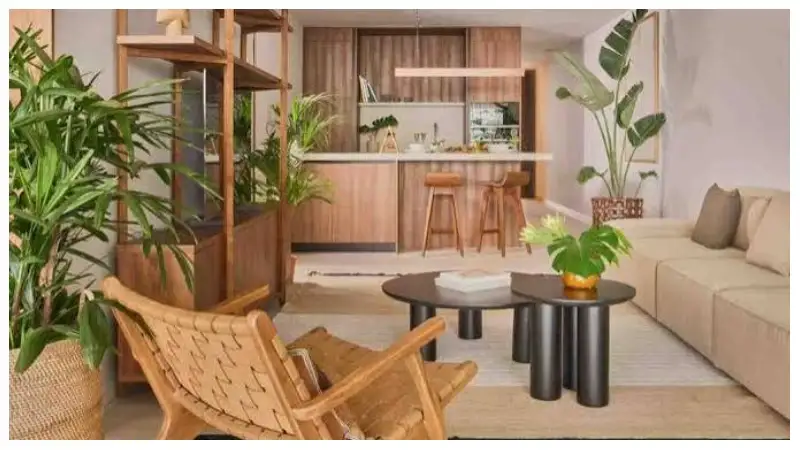
A beautiful home does not always require expensive furniture, major renovations, or a complete change of style. Often, a few thoughtful updates can make a room feel fresher, warmer, and more personal. The key is knowing what to change and why it works.
These home decor ideas thehometrotters are designed for real homes and everyday budgets. Whether you want to refresh a tired living room, make a bedroom feel calmer, or give a small space more character, simple decorating choices can create a noticeable difference.
Start by Understanding Your Space
Before buying anything new, take a close look at the room you want to update. Notice its natural light, size, layout, colours, and existing furniture.
Ask yourself what feels wrong. Is the room too dark? Does it look cluttered? Does the furniture feel disconnected? Or does the space simply lack personality?
This quick assessment prevents unnecessary spending. For example, if a living room already has attractive furniture but feels dull, new cushions, artwork, lighting, and a rug may achieve more than replacing the sofa.
Good decorating starts with solving a problem rather than filling an empty corner.
Refresh Your Colour Palette
Start with the colours you already have and introduce one or two complementary shades. A neutral room, for instance, can gain warmth through earthy brown cushions, terracotta accessories, or soft green plants.
If you prefer a brighter appearance, use colour through smaller items such as:
- Cushion covers
- Curtains
- Vases
- Artwork
- Throws
- Decorative books
- Table accessories
The advantage of using smaller accents is flexibility. You can change them later without committing to a costly renovation.
For a balanced room, choose one dominant colour, one supporting shade, and a small accent colour. This creates visual consistency without making the space look overly matched.
Improve the Lighting
Lighting is one of the most overlooked elements of home decoration. Even a well-designed room can feel uncomfortable if it relies on a single harsh ceiling light.
Instead, create layers of light. Layer general lighting with task lighting and accent lights to create a balanced and inviting space.
A floor lamp beside a reading chair can make a corner more useful. A table lamp can add warmth to a console or bedside table. Small accent lights can highlight artwork, shelving, or architectural details.
Whenever possible, make better use of natural light too. Keep windows relatively clear and use curtains that allow daylight to enter when privacy permits.
These home decor ideas thehometrotters work particularly well because lighting improves both appearance and everyday function.
Add Texture for a Cosier Feel
A room can have attractive colours and furniture yet still feel flat. Texture helps solve this problem.
For example, imagine a neutral sofa with a soft knitted throw, two linen cushions, a woven basket nearby, and a textured rug underneath. The colour scheme remains simple, but the room gains depth.
This approach also works in bedrooms. Layering bedding with different fabrics can create a comfortable, inviting appearance without changing the bed itself.
Use Plants to Bring Life Indoors
Indoor plants can add colour, shape, and natural texture to a room. They also offer an easy way to fill awkward spaces without creating visual clutter.
Choose plants according to the conditions in your home rather than appearance alone. Some varieties need bright indirect light, while others tolerate lower-light conditions better.
If maintaining live plants feels difficult, start with one or two easy-care varieties. You can also use dried branches or artificial greenery when appropriate.
Place plants where they make sense. A tall plant can soften an empty corner, while a smaller plant can add interest to a shelf or side table.
The goal is not to turn the room into a greenhouse. A small amount of greenery can be enough.
Make Your Walls More Personal
Blank walls can make a home feel unfinished, but filling every wall with decoration can have the opposite effect.
Instead, create a focal point. A large piece of artwork above a sofa or bed can anchor the room. Alternatively, arrange several smaller prints into a simple gallery wall.
Personal photographs, travel memories, illustrations, and meaningful objects often work better than generic decoration because they tell a story.
When arranging wall art, consider the furniture below it. Artwork should generally relate visually to the furniture rather than appearing randomly positioned.
Before putting holes in the wall, place paper templates where the frames will go. This simple trick lets you test the arrangement first.
Decorate Shelves Without Creating Clutter
Open shelving gives you an opportunity to display personality, but it can quickly become messy.
A useful approach is to combine different heights and shapes. Place taller objects behind smaller ones and leave some empty space between groups.
You might combine:
- A few books
- A small plant
- A framed photograph
- A ceramic object
- A decorative box
Avoid displaying everything you own. A shelf often looks more attractive when you remove a few items rather than adding more.
These home decor ideas thehometrotters focus on intentional decoration: every visible object should either serve a purpose, add character, or contribute to the overall composition.
Rearrange Furniture Before Buying More
One of the easiest ways to refresh a room costs nothing.
Try moving the furniture.
A sofa that sits against a wall may work better slightly forward. Two chairs can create a conversation area instead of facing the television. A bed can sometimes look more balanced when repositioned on the main wall.
Pay attention to walking paths. You should be able to move through the room comfortably without squeezing between furniture.
Do not arrange furniture solely around the walls. Think about how people actually use the room.
A successful layout supports conversation, relaxation, work, dining, or whatever the room needs to accommodate.
Give Small Spaces a Practical Makeover
Small rooms require careful choices because excessive decoration can make them feel crowded.
Choose furniture that fits the scale of the room. Multi-purpose pieces can also help. An ottoman with storage, a narrow console, or a wall-mounted shelf can provide useful function without taking up excessive floor space.
Mirrors can also help a room feel more open by reflecting light and creating additional visual depth. However, placement matters. A mirror facing an unattractive or cluttered area may simply draw attention to it.
In compact spaces, prioritise function first and decoration second.
Decorate on a Realistic Budget
You do not need to buy everything at once. In fact, decorating gradually can produce a more personal result.
Set a budget and decide which changes will have the biggest impact. Paint, lighting, textiles, and furniture arrangement often offer more noticeable results than buying many small ornaments.
Consider mixing new purchases with items you already own. Move artwork between rooms, change cushion covers, repurpose baskets, or give an old piece of furniture a new position.
Thrift shops, second-hand marketplaces, and local craft sellers can also provide interesting pieces. The objective is not to make your home look expensive. It is to make it feel considered.
Avoid the “Everything Matches” Trap
Matching furniture sets can make decorating easier, but they can also make a room feel predictable.
A more interesting space usually contains some variation. Mix materials, shapes, and finishes while keeping a consistent colour story.
For example, a wooden coffee table can sit comfortably with upholstered seating, a metal floor lamp, and woven accessories. The pieces do not need to come from the same collection.
This balance between coordination and contrast gives a room personality.
Create a Home That Reflects You
The best home decor ideas thehometrotters are not about copying a showroom. They are about creating a space that suits your lifestyle.
If you love reading, make your favourite books part of the decoration. If you enjoy travelling, display meaningful souvenirs. If you cook frequently, make useful kitchen items accessible and attractive.
Your home should support the way you live.
Trends can provide inspiration, but personal choices make a room feel authentic. A timeless space usually combines practical furniture, comfortable materials, meaningful objects, and a colour palette you genuinely enjoy.
A Simple Weekend Refresh Plan
If you want visible results quickly, try this simple approach.
Day one: Declutter the room and remove anything you no longer use.
Next: Rearrange the furniture and improve the walking flow.
Then: Adjust the lighting and clean windows, mirrors, and visible surfaces.
After that: Add one or two textures, such as a rug, throw, or cushion.
Finally: Introduce greenery, artwork, or a few personal accessories.
These home decor ideas thehometrotters can transform the atmosphere without requiring a complete redesign.
Final Thoughts
Refreshing your home does not have to mean starting from scratch. Small, intentional changes can improve how a room looks and, more importantly, how it feels to live in.
Focus on layout, lighting, colour, texture, storage, and personal details. Make changes gradually and pay attention to how each decision affects the whole room.
The most successful home decor is rarely about following every trend. It is about creating a comfortable, functional environment that reflects the people who live there.
With the right approach, even a modest update can make an ordinary room feel fresh, welcoming, and distinctly your own. For more information, visit our website.
One thought on “Home Decor Ideas TheHomeTrotters: Simple Ways to Refresh Your Space”