
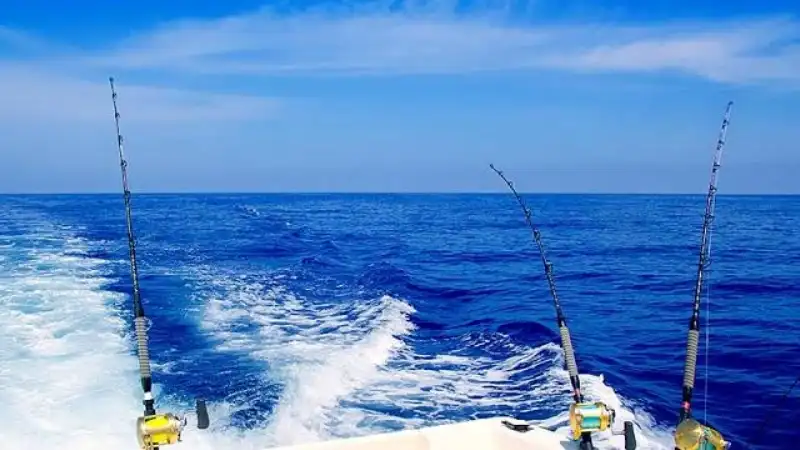
The Gulf Coast offers some of the most dynamic saltwater angling in North America. Whether you are planning a weekend trip for fishing thunderonthegulf or looking to test your skills in seasonal coastal waters, navigating these warm, nutrient-rich grounds takes a clear strategy. From shallow grass flats teeming with redfish to offshore structures holding red snapper, this guide covers everything you need to know about gear, seasonal patterns, conservation, and local techniques.
What Makes Gulf Coast Fishing Unique
The waters along the Gulf Coast feature diverse ecosystems including estuaries, barrier islands, artificial reefs, and deep continental shelf drop-offs. Warm currents pump baitfish into the region year-round, supporting a rich and energetic food chain.
Anglers participating in fishing thunderonthegulf target a wide variety of species depending on how far off the shore they venture. Inshore waters host red drum, speckled trout, flounder, and sheepshead around docks and oyster bars. Moving nearshore brings opportunities for Spanish mackerel, king mackerel, cobia, and tripletail. Farther offshore, bottom structure holds prized catches like red snapper, gag grouper, mahi-mahi, and yellowfin tuna.
Seasonal Fishing Patterns
Understanding seasonal shifts ensures you target the right species at the ideal time of year.
Spring
As water temperatures rise, migratory fish move north along the coast. Cobia cruise near sandbars, offering prime sight-casting opportunities. Anglers often keep a heavy spinning rod rigged with a bucktail jig or live crab ready on deck when patrolling the beaches.
Summer
Summer brings calmer seas that are ideal for heading to offshore bottom structure. Federal and state red snapper seasons typically open during summer windows. Focusing on artificial reefs, sunken wrecks, and structures using heavy gear dropped to depth yields great results.
Fall
Cooler autumn nights trigger major bait runs, causing redfish and speckled trout to feed aggressively in shallow bays. Fall is also ideal for targeting flounder as they migrate through passes toward offshore spawning areas.
Winter
Winter fishing centers around structured habitats. Sheepshead and black drum aggregate near bridge pilings, jetties, and dock posts, where they feed on crustaceans like fiddler crabs and barnacles.
Choosing the Right Fishing Gear
Having the proper tackle prevents gear failure when a heavy fish strikes near abrasive structures.
Inshore Light-Tackle Setup
For bays and shallow flats, a seven-foot medium power spinning rod paired with a 2500 or 3000 size saltwater reel works best. Spool the reel with ten- to fifteen-pound braided line and attach a twenty-pound fluorocarbon leader. This combination delivers smooth casting for soft plastics, topwater lures, and live shrimp.
Offshore Bottom-Fishing Rig
Offshore structure requires heavier gear to turn strong fish away from sharp debris. Use a six-foot-six-inch heavy power conventional rod matched with a high-capacity conventional reel. Line the reel with fifty to eighty-pound braid tied to a long fluorocarbon or monofilament shock leader. Terminal tackle usually consists of a knocker rig or Carolina rig paired with a circle hook.
Essential Tips for Fishing Thunderonthegulf
A successful day on the water relies on understanding coastal environments and staying prepared.
Master Tidal Movements
Inshore fish adapt their feeding habits around moving water. Incoming tides bring clean water and push baitfish onto shallow flats. Outgoing tides drain marsh channels, creating natural ambush points where redfish and trout wait near creek mouths for drifting prey.
Match the Local Bait
Pay close attention to what target fish are feeding on during different months. During spring and summer, live finger mullet, pinfish, and menhaden produce consistent strikes. In fall and winter, live shrimp, fiddler crabs, and small minnows become primary choices. When fishing with artificial lures, paddle-tail swimbaits in natural colors perform well around oyster bars and grass edges.
Pack Essential Safety and Navigation Gear
When heading out for a full day of fishing thunderonthegulf, bring high-quality polarized sunglasses to spot underwater structure and cruising fish. Always carry reliable fish-handling tools such as pliers and fish grips. Because coastal weather can change quickly, keep a marine radio on board and monitor local forecasts throughout the trip.
Conservation and Responsible Angling
Sustaining coastal fisheries requires thoughtful handling and adherence to local regulations.
Using circle hooks significantly reduces deep hooking, allowing released fish a higher rate of survival. Always wet your hands before handling any fish to preserve its protective slime coating, and support the body horizontally rather than holding heavy fish vertically by the jaw.
When bringing up deep-water species from depths greater than fifty feet, expanding gases can cause barotrauma. Using a weighted descending device safely returns released fish back to their capture depth. Finally, always check current state wildlife guidelines for updated size limits and daily harvest allowances before keeping your catch. For more informative articles, visit our site daily.