
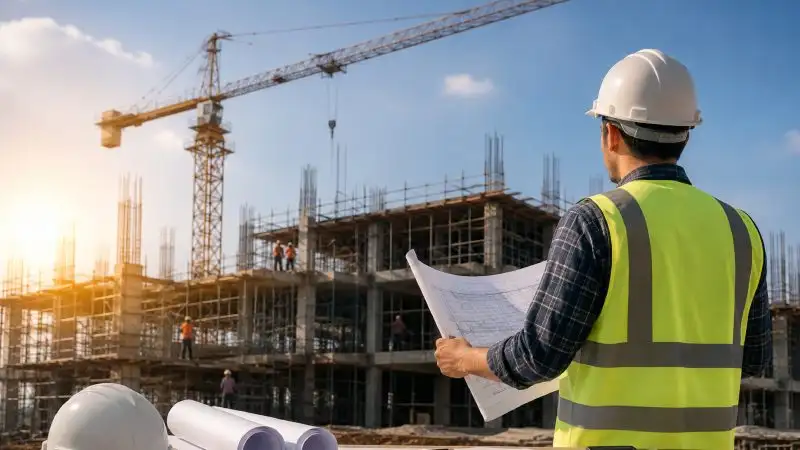
Modern construction relies on a combination of innovative materials, specialist equipment, and expert knowledge to create buildings that are safe, stable, and built to last. Every component used during a project has an important role, from reinforcing walls and supporting frameworks to ensuring heavy materials can be installed efficiently. As construction methods continue to evolve, the demand for reliable structural solutions has increased. Builders, engineers and contractors must carefully consider the design, materials and installation processes involved in each project. By using the right products and techniques, construction teams can improve safety, efficiency and the long-term performance of buildings.
Strengthening Buildings with Effective Support Systems
A strong building begins with a well-planned structural design. Different elements must work together to provide stability and ensure that the structure can withstand external pressures, everyday use and environmental conditions. Support systems are particularly important in areas where additional reinforcement is required.
One important solution used in modern construction is acs windposts. These structural components are designed to provide support for masonry walls, helping them resist movement caused by factors such as wind pressure. By improving wall stability, windposts can help protect the integrity of a building and reduce the risk of structural issues over time.
The correct selection and installation of wall support systems depend on several factors, including the building design, materials being used and specific site requirements. Working with experienced professionals ensures that these components are properly specified and installed to provide maximum effectiveness.
The Benefits of Structural Steel in Construction
Structural steel remains one of the most widely used materials in the construction industry due to its strength, versatility and durability. It is suitable for a wide range of applications, including commercial buildings, industrial facilities and large-scale developments. The process of structural steel installation requires careful planning and technical expertise. Steel sections must be accurately positioned, securely connected and installed according to detailed engineering specifications. Even small inaccuracies during installation can affect the performance of the overall structure, making precision and experience essential.
Professional installation teams work closely with architects, engineers and contractors to ensure that steel frameworks are assembled safely and efficiently. This collaboration helps projects remain on schedule while maintaining high standards of quality and compliance. Structural steel also offers long-term advantages. It can support large structures while allowing for flexible designs and efficient construction processes. Its durability makes it a dependable choice for projects where strength and reliability are key priorities.
Improving Site Efficiency with Specialist Lifting Equipment
Construction environments often involve challenging tasks that require materials to be lifted, positioned, or moved safely. Using appropriate machinery can improve productivity while helping reduce risks associated with manual handling. A counterbalance genie lift is a useful piece of equipment for various lifting applications where stability and controlled movement are required.
This type of machinery can assist workers when handling materials at height or accessing areas that may otherwise be difficult to reach. Selecting the right lifting equipment is an important part of construction planning. Factors such as load requirements, working height, site layout and operational conditions must be considered before machinery is used. Proper training and safe operating procedures are also essential to ensuring equipment is handled correctly. The use of specialist lifting solutions allows construction teams to complete tasks more effectively. By combining modern equipment with skilled workers, projects can benefit from improved efficiency while maintaining strong safety standards.
Delivering High-Quality Construction Results
Successful construction projects depend on the careful coordination of many different elements. Structural supports, steel frameworks, and specialist machinery all contribute to creating buildings that are safe, practical, and durable. Attention to detail throughout every stage of a project helps prevent problems and ensures that each component performs as intended. From the initial design process to final installation, quality workmanship and reliable materials remain essential. Choosing experienced suppliers and construction specialists provides confidence that projects are completed using appropriate methods and products. Professional expertise helps ensure that structural requirements are met while supporting efficient project delivery.
Building with Confidence and Precision
The construction industry continues to develop through improved technology, advanced materials and better working practices. Reliable structural solutions help create buildings that can meet modern demands while maintaining safety and performance standards. By investing in quality support systems, accurate steel installation and suitable lifting equipment, construction professionals can deliver stronger and more efficient structures. Careful planning and expert execution remain at the heart of successful projects, helping create buildings that serve communities and businesses for many years to come. For more information, visit our website.