
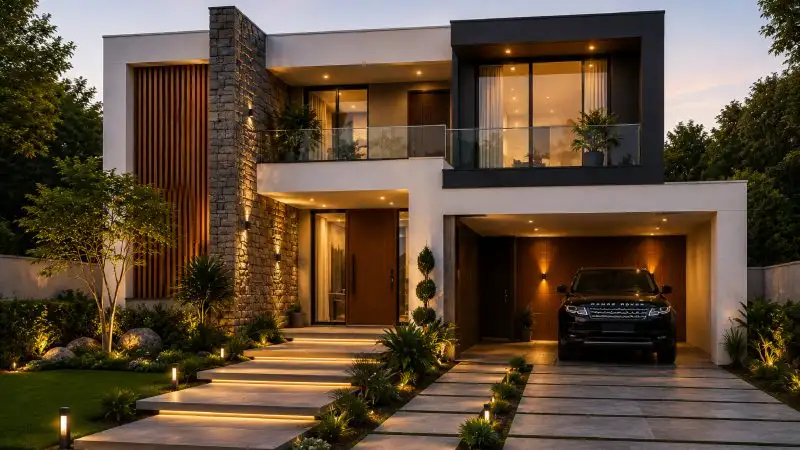
Modern home exteriors are no longer just about curb appeal—they now reflect lifestyle, sustainability, smart technology, and long-term property value. In 2026, Dr Homey exterior design has become a popular search term among homeowners looking for fresh, practical, and future-ready exterior solutions that combine aesthetics with function.
This guide breaks down everything you need to know about modern exterior design trends, materials, color systems, lighting strategies, and real-world applications that can transform any home into a visually striking and highly efficient space.
Understanding Dr Homey Exterior Design Philosophy
The concept of Dr Homey exterior design focuses on blending comfort (“homey”) with modern architectural intelligence. It emphasizes three core principles:
- Function-first design
- Sustainable material use
- Minimal yet impactful aesthetics
Unlike traditional exterior styles that prioritize decoration, this approach prioritizes usability, energy efficiency, and long-term durability.
A 2025 global housing design report by McKinsey-style urban development studies showed that over 68% of homeowners now prefer low-maintenance modern exteriors over decorative traditional facades, signaling a strong shift toward simplified design systems.
Key Trends in Modern Home Exterior Design (2026)
1. Minimalist Architectural Geometry
Modern homes in 2026 focus heavily on clean lines and geometric balance. You’ll see:
- Flat or skillion roofs
- Box-shaped structural forms
- Asymmetrical façade layouts
This minimalist approach reduces visual clutter while improving structural efficiency.
Example: A two-story home with a white stucco base, black aluminum framing, and large glass panels creates a balanced yet bold identity without unnecessary ornamentation.
2. Natural Material Integration
Homeowners are increasingly choosing natural textures to soften modern architecture. Popular materials include:
- Natural stone cladding
- Timber composite panels
- Exposed concrete finishes
- Terracotta tiles
These materials improve thermal insulation while enhancing visual warmth.
Studies in sustainable architecture show that natural cladding materials can reduce surface heat absorption by up to 30% compared to synthetic finishes.
3. Smart Exterior Lighting Systems
Lighting has become a major design element, not just a utility.
Modern Dr Homey-inspired homes use:
- Motion-sensor LED pathways
- Smart-controlled façade lighting
- Warm white ambient wall washers
- Solar-powered outdoor lighting systems
Smart lighting systems improve safety while reducing energy consumption by nearly 40% in residential setups, according to energy efficiency reports.
4. Earth-Tone and Neutral Color Palettes
Color psychology plays a major role in exterior design trends for 2026.
Popular palettes include:
- Warm beige and sand tones
- Matte white and soft gray
- Charcoal black accents
- Natural wood brown finishes
These colors create a timeless look that remains visually relevant for decades.
Essential Elements of Dr Homey Exterior Design
1. Facade Composition
The façade is the visual identity of the home. A strong modern façade typically combines:
- Glass panels for openness
- Metal framing for structure
- Wood or stone for warmth
- Strategic shadow lines for depth
A well-balanced façade improves property value perception by up to 15–20% in competitive real estate markets.
2. Landscape Integration
Modern exterior design no longer treats landscaping as separate—it’s part of the architecture.
Key landscaping ideas:
- Vertical gardens on exterior walls
- Drought-resistant plants for sustainability
- Minimalist lawn designs with geometric paths
- Stone walkways integrated with lighting
This integration creates a seamless indoor-outdoor experience.
3. Entrance Design and First Impression Impact
The front entrance is the emotional anchor of any home exterior.
Effective modern entrance design includes:
- Oversized pivot doors
- Floating concrete steps
- Subtle LED step lighting
- Covered minimalist porch structures
Psychologically, first impressions form within 7 seconds, making entrance design one of the most critical exterior elements.
Material Selection Guide for 2026 Homes
Choosing the right materials determines durability, maintenance, and aesthetics.
Best Performing Materials:
1. Fiber Cement Panels
- Resistant to weather changes
- Low maintenance
- Modern texture finish
2. Engineered Wood
- Sustainable alternative to hardwood
- Moisture-resistant
- Ideal for warm aesthetics
3. Glass Curtain Walls
- Maximizes natural light
- Enhances modern appearance
- Improves indoor openness
4. Natural Stone Veneer
- Long lifespan
- Premium look
- High insulation value
A balanced mix of these materials ensures durability while maintaining visual appeal.
Smart Technology Integration in Exterior Design
Smart homes are now extending intelligence beyond interiors.
Key technologies include:
- Smart door locks with facial recognition
- App-controlled security cameras
- Automated irrigation systems
- Solar energy roof integration
- Weather-responsive shading systems
In 2026, nearly 45% of new luxury homes integrate at least three smart exterior systems, showing rapid adoption of automation in architecture.
Real-World Example: Modern Dr Homey Exterior Setup
Imagine a suburban home designed with Dr Homey principles:
- Front façade: matte white concrete with vertical wooden slats
- Roof: flat roof with solar panel integration
- Lighting: warm LED strips along pathways and roof edges
- Garden: minimalist stone landscaping with olive trees
- Entrance: black pivot door with smart access system
This combination creates a home that feels modern, energy-efficient, and visually balanced.
Common Mistakes to Avoid in Exterior Design
Even modern homes can fail visually if key principles are ignored.
1. Overusing Materials
Too many textures create visual confusion. Stick to 2–3 primary materials.
2. Ignoring Proportions
Large glass panels without structural balance can make homes feel unstable.
3. Poor Lighting Planning
Over-bright or inconsistent lighting reduces architectural impact.
4. Neglecting Climate Adaptation
Design should always reflect local weather conditions, especially heat and humidity levels.
Future of Exterior Design Beyond 2026
Exterior design is moving toward:
- Fully carbon-neutral building materials
- AI-assisted home façade optimization
- Self-cleaning exterior surfaces
- Adaptive color-changing materials
- Fully integrated renewable energy systems
Experts predict that by 2030, more than 70% of new residential projects will prioritize energy-positive designs, meaning homes will produce more energy than they consume.
Final Thoughts
Dr Homey exterior design represents a shift in how we think about homes—not just as structures, but as living systems that adapt, respond, and enhance daily life. In 2026, successful exterior design blends aesthetics with intelligence, sustainability, and real-world usability.
If you focus on clean geometry, natural materials, smart lighting, and climate-aware planning, you can create a home exterior that feels modern today and remains timeless for decades.
For more information, visit our site daily.