
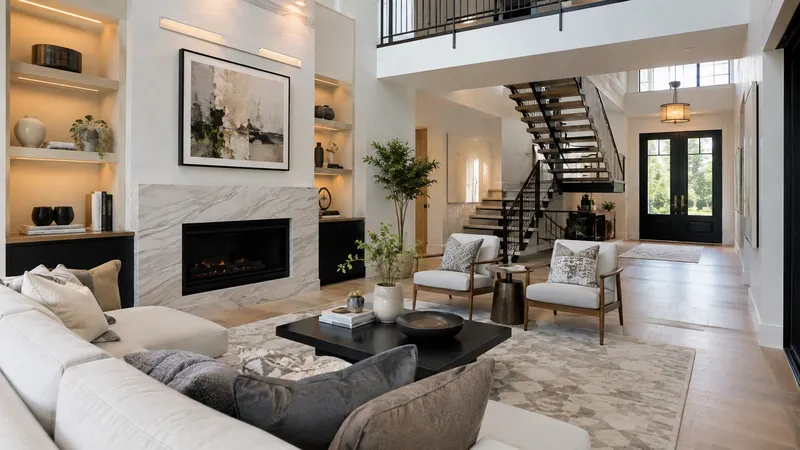
Villa remodeling involves more than changing finishes or updating furniture. It requires careful planning to improve functionality, comfort, aesthetics, and a property’s long-term value. Older villas may have outdated layouts, inefficient spaces, worn surfaces, or systems that no longer suit modern lifestyles. A well-planned renovation can address these limitations while preserving features that still add character.
For homeowners evaluating villa remodeling contractors, the focus should extend beyond visual improvements. The right approach considers the property’s existing condition, desired lifestyle, budget, materials, structural requirements, and project timeline. From redesigning kitchens and bathrooms to improving lighting, flooring, storage, and outdoor areas, each decision contributes to the overall result. Careful coordination between design and construction teams can also help create a smoother remodeling experience.
Assessing Existing Villa Conditions Before Renovation
Before renovation begins, understanding the property’s existing condition provides a practical foundation for deciding which areas require attention and which features can remain.
1. Reviewing The Existing Layout
Review the existing floor plan before planning major changes. Rooms may be poorly connected, corridors may take up unnecessary space, or certain areas may no longer match household needs. Reviewing movement between rooms can reveal opportunities to use space more efficiently.
2. Identifying Structural Requirements
Some remodeling projects involve changes that may affect walls, ceilings, floors, or other structural elements. Professional assessment is important before removing or modifying significant components. Identifying structural limitations early can help prevent unexpected complications during construction and keep proposed designs realistic.
3. Checking Electrical And Plumbing Systems
Older villas may have electrical or plumbing systems that require upgrades alongside aesthetic improvements. Reviewing wiring, outlets, lighting points, pipes, drainage, and fixtures can help identify potential issues before finishing work begins. Coordinating these systems early can reduce the need for disruptive changes later.
4. Evaluating Natural Lighting
Natural light can significantly influence the appearance and comfort of interior spaces. Reviewing window placement, openings, curtains, glazing, and surrounding obstructions can help determine whether rooms receive sufficient daylight. Design changes can then focus on improving brightness while maintaining privacy and practical functionality.
5. Considering Ventilation And Comfort
Ventilation and temperature control are important considerations in villa remodeling. Rooms should support comfortable airflow and appropriate cooling while accommodating existing or upgraded systems. Thoughtful planning can create interiors that feel more pleasant year-round while supporting efficient use of building services.
Managing Remodeling Work With Clear Project Coordination
Villa renovation can involve designers, contractors, electricians, plumbers, carpenters, painters, flooring specialists, and other professionals. Coordinating these activities is essential because work in one area can affect another. For example, electrical and plumbing changes may need to be completed before walls, ceilings, or cabinetry are finished.
Clear documentation can help everyone understand the agreed scope, materials, dimensions, finishes, and responsibilities. A defined schedule can also help organize different stages of work and reduce unnecessary interruptions. Homeowners should establish expectations about timelines, communication, approvals, material selections, and changes before construction begins.
Working with experienced villa remodeling contractors can provide structured coordination across these activities. Professional oversight can help identify potential conflicts, monitor progress, and maintain consistency between the approved design and the work being completed.
Creating More Functional Spaces For Modern Villa Living
A successful remodel should balance visual appeal with practical improvements that make everyday activities easier and more comfortable.
1. Improving Kitchen Functionality
Kitchen remodeling can focus on storage, movement, work surfaces, appliances, lighting, and accessibility. A practical arrangement can reduce unnecessary movement between preparation, cooking, cleaning, and storage areas. Select materials based on durability and ease of maintenance.
2. Updating Bathroom Spaces
Bathrooms can benefit from improved layouts, contemporary fixtures, better storage, lighting, and suitable surface materials. Remodeling may also address ventilation and water management. Creating sufficient movement space and positioning fixtures thoughtfully can make bathrooms more comfortable while giving the room a cleaner appearance.
3. Optimizing Storage Areas
Insufficient storage can make even a spacious villa feel cluttered. Built-in wardrobes, cabinets, shelving, utility storage, and customized furniture can help organize household belongings. Plan storage solutions around how each room is used, rather than adding them as an afterthought.
4. Designing Comfortable Living Areas
Living rooms and family spaces should support relaxation, entertainment, and social interaction. Furniture positioning, lighting, flooring, wall finishes, and circulation should work together to create a balanced environment. Flexible layouts can also allow spaces to accommodate changing household needs.
5. Connecting Indoor And Outdoor Areas
Villa living often benefits from stronger connections between interior and exterior spaces. Terraces, balconies, gardens, patios, and outdoor seating areas can become extensions of the home when properly planned. Consistent materials, lighting, access, and landscaping can create a more cohesive transition between spaces.
Selecting Materials That Support Long-Term Villa Performance
Material choices influence both the appearance and practical performance of a remodeled property. Flooring, wall finishes, cabinetry, countertops, doors, fixtures, and hardware should suit the intended use of each space. High-traffic areas may require more durable surfaces, while decorative elements can introduce visual character.
Homeowners should also consider maintenance requirements when selecting materials. A visually attractive surface may require more frequent care than a practical alternative. Choosing materials based on durability, cleaning needs, moisture exposure, and expected use can support better long-term results.
Consistency is another important consideration. Different rooms do not need identical finishes, but colors, textures, materials, and architectural details should complement one another. A coordinated material palette can help the villa feel thoughtfully designed rather than like a collection of unrelated renovations.
Conclusion
A successful villa remodel should bring together design, functionality, comfort, durability, and careful project management. Updating an outdated property offers an opportunity to improve layouts, systems, kitchens, bathrooms, storage, lighting, materials, and outdoor spaces while creating a cohesive, comfortable environment.
For homeowners planning villa refurbishment in Dubai, selecting professionals with relevant experience, clear communication, and an organized project approach can make the process more manageable. Haifa Renov8 provides villa renovation and refurbishment services for a range of property needs. Reviewing the scope, design approach, materials, timeline, and project expectations before work begins can help homeowners make informed decisions and achieve a practical, refined result. For more information, visit our website.